
SESSION V: New York's Breath of Fresh Air

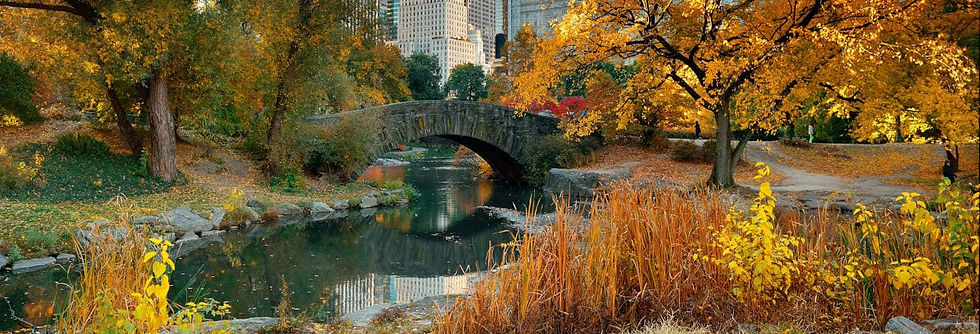

Right in the heart of Manhattan, lies one of New York's greatest tourist attractions. Being recognized for it's tall buildings, shining lights, and noisy, busy streets, New York has always been known as the city that never sleeps. In contrast to this, The Central Park has given a relaxing home to many social gatherings, peaceful protests, as well as recreational activities for decades.

The park, located between massive skyscrapers, gives a breath of fresh air to citizens all around. With it's massive size, and peaceful environment, one can go on a stroll or have a lunch break aside from the usual crowd. The creator/designer of this park is known as Frederick Olmsted. The reason for his creation wasn't just aesthetic; its purpose went beyond and derived greatly from social and health issues still discussed to date. The origin and history of it, was what paved the path for its great visual, and design impact.

The park itself was built in 1858. It was made because as industrialization grew, so did air pollution problems. Continued exposure to fumes, caused great physical, mental, and emotional distress and sickness upon all New York citizens. This initiative prompted sanitation, as well as mental wellbeing. With means to create a more functional society, Frederick, along with the U.S Sanitary Commission created a large, massive, green space.

While it is a safe haven for all today, it wasn't always this way. They used the need for a large green space as justification for the displacement of a large black community in Seneca Village. That Village, is literally the ground on which the park stands on to date. Discriminatory housing policies did not help the view of the park as a positive, relaxing space. For example, in the 1860's the Central Park Board banned recreational activities such as concerts and sports, just to accommodate the wealthy white as they strolled through the park as pleased. Different to what it is today, we must always note the relevance this had, since it caused several design changes and contributed to police brutality and racial injustice history.
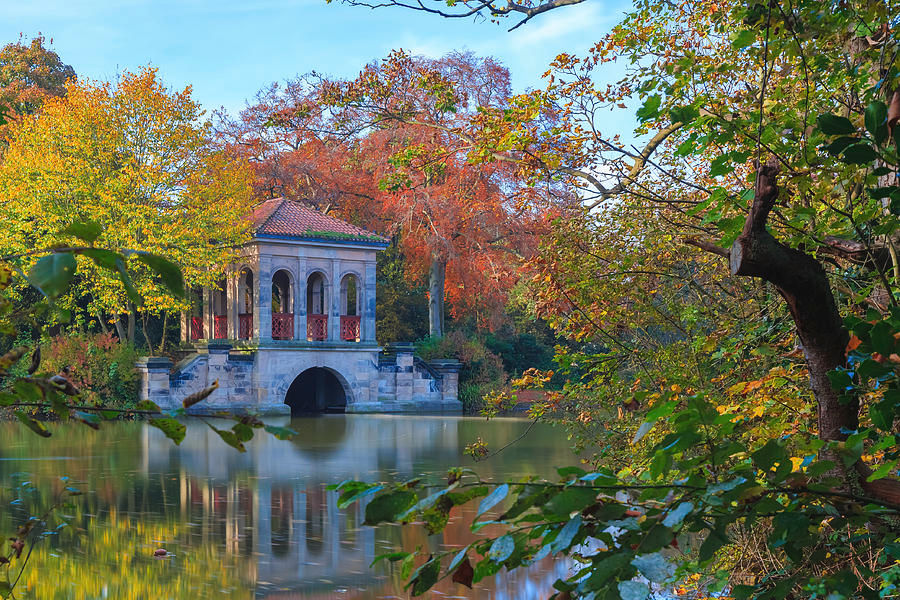
On the other hand, when you come to think about it, the park is a mere illusion of nature's true potential. As the first landscape architect, Olmsted opted to trim certain public spaces to maintain the wild poetry of a park, while keeping the space as organized as can be. He used the Birkenhead Park (illustrated on the left), located in Liverpool, England as inspiration. To make all this possible, he respected most of the eco-diversity in the terrain, and the natural order of the site. Even as this paved the way for modern parks, not everyone is in favor of the park to this day. With never- ending industrialization, there has been privatization and demolition of certain areas, which harms the environment, limits the natural beauty, meanwhile still favoring the rich and wealthy.
Putting all that aside, in summary the Central Park was a positive initiative, and does massive good to most communities. Few places have as much relevance worldly, culturally, and environmentally. To not acknowledge this park, would be to miss out on a lot of historical context from which it's possible to lean through design. It invites us to reflect on design in larger cities, nature as a necessary element to life, and social equality among all races.

References:
Ecker, D. (2020, July 30). "The Lungs of the City": Frederick Law Olmsted, Public Health, and the Creation of Central Park. Retrieved September 13, 2020, from https://www.gothamcenter.org/blog/the-lungs-of-the-city-frederick-law-olmsted-public-health-and-the-creation-of-central-park
Jessica Sain-Baird Apr 25, 2. (2020, February 05). How Central Park Keeps New York City Healthy. Retrieved September 13, 2020, from https://www.centralparknyc.org/blog/park-city-healthy
Rich, N. (2016, August 12). When Parks Were Radical. Retrieved September 13, 2020, from https://www.theatlantic.com/magazine/archive/2016/09/better-than-nature/492716/


Comments